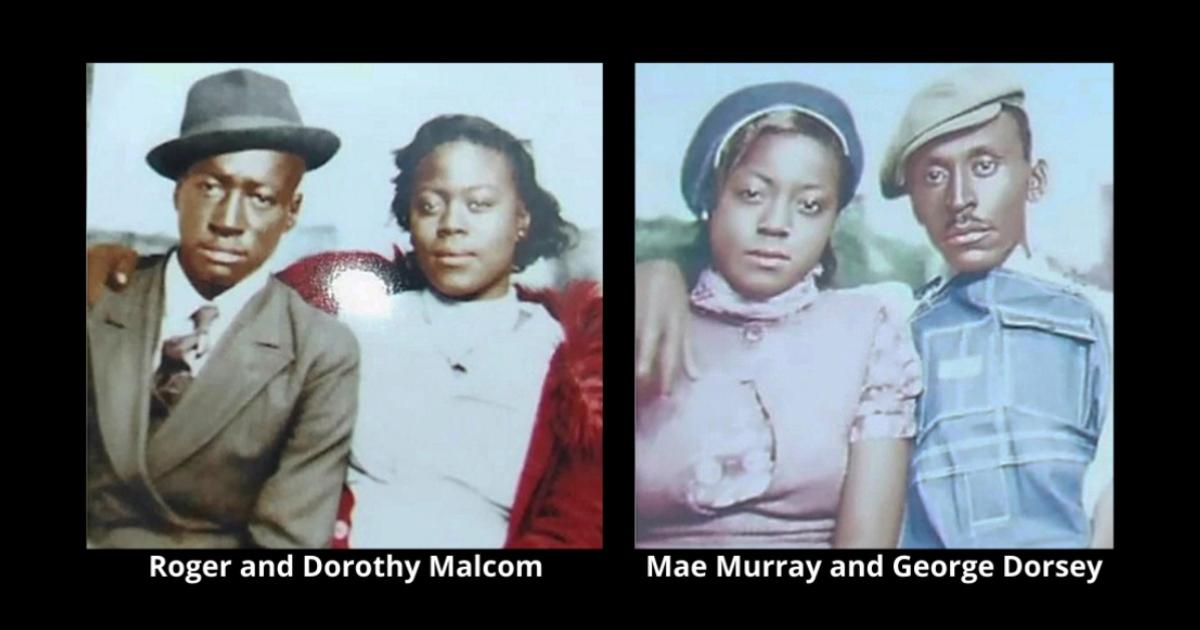
On July 25, 1946, a tragic event unfolded at Moore’s Ford Bridge in Walton County, Georgia, known as the Moore’s Ford Bridge lynching or the 1946 Georgia lynching. Four Black Americans, George W. Dorsey, Mae Murray Dorsey, Roger Malcom, and Dorothy Malcom, were brutally killed by a group of white men. The victims, comprising two married couples, were part of what is recognized as one of the final mass lynchings in the United States.
Despite extensive national focus and an FBI probe, the murders never led to any charges or convictions. The case stands as a grim testament to the racial violence and injustice that marred the United States in that period.
- Historical Context of Racial Tensions in the South
- Details of the Moore’s Ford Lynching Incident
- Community Response to the Lynching
- Legal and Governmental Inaction
- The Role of the NAACP and Civil Rights Activists
- Legacy of the Moore’s Ford Lynching
- Media Representation and Historical Documentation
- Current Efforts to Address Racial Injustice
- Conclusion
- FAQs
- Sources
“My heart just sank and tears came to my eyes. I could feel their spirits there and I could hear their screams. I felt so sad for what had happened to them.” – Patrice Dorsey, a relative of the victims
Historical Context of Racial Tensions in the South
The enduring impact of slavery and Jim Crow laws has led to ongoing racial disparities in America. Black Americans faced systematic denial of quality education, economic prospects, and the right to vote. The implementation of Jim Crow laws often involved acts of violence and fear tactics, such as lynchings and racial terrorism.
Throughout history, societal tensions have often escalated into violence against Black Americans, especially during times of economic, political, or social strain. The Great Migration is a prime example, where millions of Black Americans relocated from the rural South to cities in the North and West. They were in search of improved prospects and an escape from the oppressive Jim Crow laws. However, this shift sparked job and housing competition, which in turn, ignited racial hostility and violence.
Moreover, the implementation of segregation and discriminatory laws fostered a climate where violence against Black Americans was not just permitted but frequently endorsed by authorities. This, coupled with insufficient legal safeguards and widespread racist beliefs, intensified the strife.
During the 1940s, Georgia experienced severe segregation and discrimination against Black Americans. Yet, the New Deal era and World War II brought economic changes that accelerated urbanization and industrial expansion in the state, beginning to change the longstanding power dynamics.
Black veterans, emboldened by their service in the war, came home and started to confront white supremacy with newfound assertiveness. This period saw an increase in activism and opposition to entrenched racism, as Black Georgians became part of the broader civil rights movement in the South. Yet, even with these efforts, horrific racial violence continued, including lynchings, exemplified by the tragic events at Moore’s Ford Bridge in 1946.
Details of the Moore’s Ford Lynching Incident
Moore’s Ford Bridge stands 2.4 miles east of Monroe, Georgia, close to where U.S. Highway 78 meets Locklin Road, marking the Oconee County boundary. It crosses the Apalachee River. The bridge is infamously recognized for the sorrowful lynching event of 1946, which has since eclipsed any other historical importance it may have once held, marking it as the site of America’s last mass lynching.
Roger Malcolm, a 24-year-old Black laborer, resided and worked on a farm owned by a white family in north-central Georgia, alongside his wife, Dorothy. Dorothy, a 20-year-old Black farmworker also known by the names Doris and Millie Kate, was employed in the households of white farmers.
George Dorsey, a 28-year-old Black American field hand and a World War II veteran, served in the Pacific for five years before returning home. He was also the older brother of Dorothy Malcolm. His wife, Mae Murray Dorsey, was a 23-year-old field hand and domestic worker, known among friends as “Mae West” for her stylish dressing. Together, they worked on a cotton farm in north-central Georgia.
The lynching event was precipitated by a domestic altercation. On July 14, 1946, Roger Malcom was detained for stabbing Barnette Hester, a white farmer who had stepped into a quarrel between Roger and his wife, Dorothy Malcom. Compounding the situation were rumors of a sexual relationship between Hester and Dorothy.
Barnette Hester survived the stabbing but suffered from its complications for the rest of his life. He passed away in 1982 at 65 years old as a result of these complications. His final resting place is Union Chapel Cemetery in Monroe, Walton County, Georgia.
On July 25, 1946, at 5 PM, Dorothy Malcolm, George Dorsey, and his wife Mae Murray met with J. Loy Harrison, a white landowner, at the courthouse lawn’s water fountain. They planned to travel to the Monroe, Georgia jail to post bail for Roger Malcolm. However, shortly after 5:30 PM, as they were returning from the jail, a large mob of white men stopped Harrison’s car near Moore’s Ford Bridge. The mob dragged the two couples from the car, beat them, tied them to a tree, and shot them to death.
At around 8 PM that same night, the doctor, accompanied by Coroner Brown, reached the grim scene and started their examination of the bodies, beginning with the one nearest to the road.
George Dorsey was discovered lying on his side, turned away from the Apalachee River. He had sustained a bullet wound to his right jaw, another above his right ear, and a third on the left side of his abdomen. Additionally, shotgun wounds were present on his left hip, left forearm, and back.
Roger Malcolm was lying on his back with a gunshot wound on the left side of his forehead. He had another wound on the right side of his back, where a bullet had exited after entering the left side of his chest. He’d also been shot in the right hip. A noose was around his neck, and his hands were tied with a plow line that connected to George Dorsey’s wrists.
Dorothy Malcolm was lying on her left side, facing her husband. She had shotgun wounds on her right jaw and a bullet wound behind her left ear. Both bones in her forearm were broken.
Mae Murray Dorsey was found crouched on the ground with a large-caliber bullet wound through the top of her head, along with a bullet and shotgun wound in her left shoulder.

Following the Moore’s Ford lynching, the remains of the victims were brought to Young’s Funeral Home in Monroe, Georgia. Upon opening his establishment, Dan Young witnessed a wave of the Black community members entering to honor the deceased. The funeral home transformed into a sanctuary for grief and contemplation.
Roger Malcolm’s face was patched up with plaster of Paris to cover the damage, and Dorothy lay beside him with a bandage over her face where the right side of her jaw had been blown away. George was next to her, with his right eye covered by a bandage because it had been shot out, and his right ear was partially shot off, held in place with tape. Mae Murray Dorsey lay next to her husband, George. Unlike the others, she looked peaceful, almost like she was just sleeping, with no visible signs of injury on her face.
Community Response to the Lynching
The heinous killings of George W. Dorsey, Mae Murray Dorsey, Roger Malcom, and Dorothy Malcom reverberated throughout Walton County and further afield. The Black American community was engulfed in both fear and anger, while a significant number of white residents either condoned the mob’s deeds or chose silence. This event underscored the persistent racial violence and injustice that Black Americans continued to endure, even subsequent to World War II.
The murders captured the nation’s focus through widespread media exposure. Reports flooded in from newspapers and newsreels nationwide, sparking a surge in public outcry. This surge in attention compelled federal authorities to act, leading President Harry Truman to initiate a federal probe and declare a $12,500 reward for information leading to a conviction. However, even with the FBI‘s engagement and the incentive of rewards, the case remained unresolved, with no prosecutions. This failure to deliver justice only intensified feelings of injustice and distrust among the Black American community.
The Moore’s Ford lynching became a pivotal moment for civil rights activists, who used it to fuel their push for federal anti-lynching laws and wider civil rights changes. This tragic event sparked a surge in the civil rights movement, as activists highlighted the immediate need for justice and the safeguarding of Black American lives.
Legal and Governmental Inaction
The collaboration between local law enforcement and political leaders fostered a climate where racial violence was not just permitted but often promoted, particularly during the time of Jim Crow laws and segregation. Law enforcement officials frequently had the duty of enforcing these segregation laws, perpetuating institutionalized racial prejudice and violence. They maintained the “separate but equal” doctrine, which, in reality, was far from equal.
Historically, there have been numerous instances where law enforcement officers were complicit in racial violence or chose to ignore it, such as lynchings. This failure to act and hold perpetrators accountable perpetuated the cycle of violence. Police often misused their power to intimidate and oppress Black Americans, fostering an environment of fear. This manifested in unfair arrests, physical assaults, and various acts of brutality.
Numerous political leaders backed and implemented legislation that sustained racial disparities and violence. This encompasses the Jim Crow laws, which stripped Black Americans of their voting rights. Politicians frequently employed racially charged language to appeal to white voters, deepening racial rifts and rationalizing aggression towards Black Americans.
Throughout the civil rights movement, numerous politicians staunchly opposed initiatives aimed at ending segregation and advancing racial equality. Their opposition took various forms, including resistance to federal civil rights laws and endorsement of local law enforcement’s aggressive tactics against nonviolent demonstrators.
Following the Compromise of 1877, the federal government stepped back from enforcing the 14th and 15th Amendments, designed to safeguard the rights of Black Americans. This retreat gave Southern states the leeway to pass laws that discriminated without worrying about federal interference. The Supreme Court’s ruling in the Civil Rights Cases of 1883 struck down the Civil Rights Act of 1875, diminishing the federal safeguards against racial discrimination even more.
Both Democratic and Republican politicians frequently overlooked the struggles of Black Americans. Southern Democrats were particularly active in disenfranchising Black voters and upholding white supremacy. Jim Crow institutionalized racial segregation, affecting public spaces, education, transportation, and job opportunities for Black Americans. Moreover, Black communities and individuals were subjected to violence, lynching, and threats by groups such as the Ku Klux Klan, which often acted without fear of legal consequences.
The Jim Crow era had a profound economic impact, creating substantial obstacles for Black Americans in education, employment, and wealth building. These barriers have perpetuated enduring disparities, fueling persistent economic inequality.
The absence of legal consequences for the perpetrators of the Moore’s Ford lynching starkly illustrates the systemic shortcomings of the justice system of the time. Even with the heinousness of the crime and the widespread attention it received, the murders of George W. Dorsey, Mae Murray Dorsey, Roger Malcolm, and Dorothy Malcolm went unprosecuted. The local community’s lack of cooperation and the reluctance of witnesses to step forward, probably due to fear of retaliation, were significant obstacles.
The confidentiality of grand jury records and the opaque nature of the investigation have hindered the pursuit of justice for the perpetrators. Even with the case being reopened several times, no fresh evidence has surfaced, and no one has been charged.
The Role of the NAACP and Civil Rights Activists
The NAACP actively sought to bring the crime to the forefront of public awareness, highlighting the urgency for federal intervention. They staged demonstrations and kept the incident in the public eye. Their leadership pressed President Harry Truman for a response and backed the FBI’s inquiry, encouraging witnesses to step up and offering help when needed. Despite facing strong resistance from Southern Democrats, the NAACP advocated for the enactment of federal anti-lynching laws.
Besides the NAACP, many groups and organizations took a stand against the Moore’s Ford lynching. The Southern Christian Leadership Conference (SCLC) was at the forefront, championing civil rights and seeking justice for those affected. The Congress of Racial Equality (CORE) set up protests and aimed to bring the lynching and wider racial violence issues into the public eye. The National Urban League denounced the act and demanded justice. Meanwhile, community groups and churches in Georgia and elsewhere held memorials and rallies to pay tribute to the victims and call for action.
Legacy of the Moore’s Ford Lynching
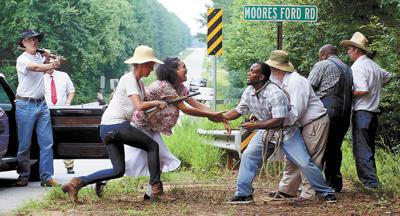
Beginning in 2005, civil rights activists have held yearly reenactments of the Moore’s Ford lynching. These events aim to honor the memory of the victims and advocate for justice. They also play a crucial role in educating people about America’s history of racial violence. In addition, community memorial services are conducted to pay tribute to the victims and contemplate the lynching’s lasting effects. These gatherings offer a place for collective mourning and memory, while also fostering dialogue on persistent racial injustices.
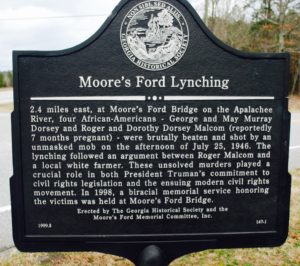
In 1999, Georgia acknowledged a dark chapter in its history with the placement of a state historical marker at the site of the lynching. This marker stands as a testament to the tragedy and a sobering reminder of the state’s past racial violence.
Educational initiatives by schools and community groups are shedding light on the Moore’s Ford lynching and its significant role in the civil rights movement. The goal is to cultivate a comprehensive grasp of racial violence’s history and emphasize the ongoing struggle for justice and equality.
Media Representation and Historical Documentation
The Moore’s Ford lynching is a subject of extensive examination in historical and academic literature, underscoring its importance in the wider narrative of racial violence in America. For example, the Equal Justice Initiative’s report on Southern lynchings delves into the Moore’s Ford incident, underlining its profound influence on the civil rights movement and the ongoing fight for racial justice.
The documentary “Always In Season” explores the lasting trauma of lynchings through generations, focusing on the Moore’s Ford lynching. It draws connections between past events and today’s racial violence and justice issues, igniting conversations across different races. Similarly, “UNSPOKEN” investigates the racial tensions in Monroe, Georgia, and how the community has been shaped by its history of lynching. Both films strive to shed light on the heinous nature of these crimes and foster discussions on racial healing.
Journalism has been pivotal in spotlighting the Moore’s Ford lynching, garnering national attention. Extensive media coverage at the time sparked public outrage and led to investigations by state and federal authorities. It also shed light on the justice system’s shortcomings in tackling racial violence and inequality in the South. Over time, journalists have kept the case alive in the public eye, pushing for justice and remembrance.
Accurately depicting historical events such as the Moore’s Ford lynching is fraught with challenges that can hinder the delivery of a truthful and complete narrative. The absence of thorough documentation often results in a disjointed historical record, especially for events concerning marginalized groups where official records or detailed narratives are typically scarce. Additionally, testimonies may be partial or incomplete; witnesses or survivors might not have been able to give complete accounts at the time of the incident, whether due to fear of retaliation or the effects of time, leading to piecemeal stories.
Sources may carry biases. Newspapers from a particular era can mirror the prevailing biases, especially in areas where racial prejudices were widespread. Moreover, historians’ interpretations might be shaped by their cultural and social backgrounds, which can result in distorted portrayals of historical events.
Media sensationalism often highlights the most dramatic parts of an event to attract a wider audience, which can lead to a skewed version of the actual story. Meanwhile, intricate events may be simplified into straightforward, yet misleading narratives that overlook the subtle details and truths.
As society progresses, our understanding of history can shift. Details once deemed trivial may gain importance in today’s context. Additionally, there’s the concept of revisionist history, where past events are reexamined to align with current political or social narratives, which can sometimes lead to compromises in historical precision.
Navigating the emotional and ethical landscape is key when recounting historical events. It’s vital to balance the portrayal of violent and traumatic episodes with both sensitivity towards the victims and their families, and the need to convey the full impact of those events. It’s equally important to avoid exploiting or sensationalizing the pain experienced by individuals, which demands a thoughtful approach.
Current Efforts to Address Racial Injustice
The Equal Justice Initiative has initiated the Community Remembrance Project to aid local communities in honoring the documented victims of racial violence and in educating about the legacy of racial injustice. The project encompasses the installation of historical markers, soil collection from lynching sites, and the coordination of community events aimed at promoting dialogue and healing.
The Black Lives Matter movement, established by Alicia Garza, Patrisse Cullors, and Opal Tometi, remains at the forefront of advocating for racial justice and tackling systemic racism. BLM has played a pivotal role in bringing attention to police brutality and racial violence, sparking widespread protests and driving policy reforms throughout the United States.
The Biden-Harris administration has enacted an executive order to promote racial equity and assist underserved communities within the federal government. The goal of this order is to incorporate fairness into decision-making and dismantle systemic obstacles that hinder access to opportunities for people of color and other marginalized groups.
The National Academies are actively raising awareness about racial inequities and encouraging actions to address various issues such as health disparities, educational access, and employment opportunities. They are dedicated to utilizing evidence-based research to promote racial equity and guide the development of solutions.
Numerous local communities and organizations are actively working to pay tribute to victims of racial violence and tackle racial disparities. Their efforts encompass educational programs, community gatherings, and advocacy work, all dedicated to fostering racial equity and healing.
Movements and initiatives play a pivotal role in the persistent struggle for racial equality and justice. They serve to honor the memory of victims and propel the drive to tackle racial disparities forward.
“I heard the shots and saw the commotion from a distance. It was a terrifying moment that stayed with me all my life. I can’t forget the fear that gripped our community.” – Clinton Adams, a witness who was a young boy at the time of the lynching
Conclusion
The Moore’s Ford lynching in 1946 is a chilling testament to the racial violence and injustices that have marred America’s past. The savage killings of George W. Dorsey, Mae Murray Dorsey, Roger Malcom, and Dorothy Malcom sent shockwaves across the country, casting a spotlight on the deep-seated racial strife and entrenched discrimination of the era. Despite numerous probes and federal intervention, the culprits evaded conviction, highlighting the deep-rooted racial disparities and the justice system’s shortcomings.
For decades, the Moore’s Ford lynching has been solemnly remembered with yearly reenactments, memorial services, and educational initiatives, keeping the memory of the victims alive and fueling the ongoing battle for racial justice. This tragic event stands as a stark symbol of the civil rights struggle and underscores the vital importance of continued advocacy and reform in the pursuit of genuine equality.
Frequently asked questions about the Moore’s Ford Lynching
- What was the Moore’s Ford Lynching? The Moore’s Ford lynching, also referred to as the 1946 Georgia lynching, took place on July 25, 1946. A group of white men savagely killed four young Black Americans—George W. Dorsey, Mae Murray Dorsey, Roger Malcom, and Dorothy Malcom—near the Moore’s Ford Bridge in Walton and Oconee counties, Georgia. The victims were subjected to beating and shooting, drawing national attention to the extreme racial violence and injustices prevalent at that time. Despite thorough investigations by both state and federal authorities, the culprits were never convicted.
- Why is the Moore’s Ford Lynching significant? The Moore’s Ford lynching holds significance as it cast a spotlight on the extreme racial violence and injustices that Black Americans endured in the post-World War II period. The savage killings of George W. Dorsey, Mae Murray Dorsey, Roger Malcom, and Dorothy Malcom captured the nation’s attention, sparking widespread outrage, demonstrations, and ultimately leading to President Harry Truman establishing the President’s Committee on Civil Rights. This incident emphasized the critical demand for civil rights legislation and federal action to safeguard Black Americans against racial violence.
- What happened after the lynching? The Moore’s Ford lynching garnered substantial national attention and indignation. President Harry Truman mandated an investigation by the Federal Bureau of Investigation (FBI), a historic move as it was the agency’s first involvement in a civil rights case. Despite the FBI’s efforts, the absence of willing witnesses resulted in no prosecutions. The incident also prompted President Truman to establish the President’s Committee on Civil Rights, targeting racial violence and advocating for civil rights advancements. Moreover, the lynching incited significant protests in Washington, D.C., and New York City, underscoring the critical demand for change.
- How is the Moore’s Ford Lynching remembered today? The Moore’s Ford lynching is commemorated through various initiatives that honor the victims and raise awareness about the history of racial violence. Annual reenactments have been organized since 2005 to keep the memory of the victims alive and advocate for justice. Community memorial services are also conducted to remember the victims and promote discussions on racial violence and reconciliation. In 1999, a state historical marker was erected at the site of the lynching, representing Georgia’s first official acknowledgment of such an incident. Furthermore, documentaries like “Always in Season” and continuous media coverage help maintain public attention on the event and its significance for racial justice. These actions ensure the victims are remembered and the legacy of racial violence is recognized and confronted.
Sources
- Wexler, Laura. Fire in a Canebrake: The Last Mass Lynching in America. New York: Random House, 2004
- Pitch, Anthony. The Last Lynching: How a Gruesome Mass Murder Rocked a Small Georgia Town. New York: HarperCollins, 2016.
- Horne, Gerald. The Deepest South: The United States, Brazil, and the African Slave Trade. New York: Liveright Publishing Corporation, 2018.
- Tuck, Stephen G. N. Beyond Atlanta: the struggle for racial equality in Georgia, 1940-1980. Athens: University of Georgia Press, 2001.
- Bragg, S. (2015, December 02). The Moore’s Ford Lynching (July 1946). BlackPast.org. https://www.blackpast.org/african-american-history/moore-s-ford-lynching-july-1946/
- Equal Justice Initiative. “White Mob Lynches Two Black Couples in Walton County, Georgia.” n.d. https://calendar.eji.org/racial-injustice/jul/25.
- Hardman, Samuel J. “Samuel J. Hardman Research Files on the FBI Investigation of the Moore’s Ford Lynching.” University of Georgia – Special Collections Libraries, 2021. https://researchworks.oclc.org/archivegrid/collection/data/946595189.
- Wikipedia contributors. “Moore’s Ford lynchings.” Wikipedia, The Free Encyclopedia. Accessed October 7, 2024. https://en.wikipedia.org/wiki/Moore%27s_Ford_lynchings.
- Elkins, Madison. n.d. “‘Holding on to Those Who Can’t Be Held’: Reenacting a Lynching at Moore’s Ford, Georgia.” Southern Spaces. https://southernspaces.org/2010/holding-those-who-cant-be-held-reenacting-lynching-moores-ford-georgia/.
- Ashly, Jaclynn. 2020. “An American Lynching: ‘I Could Hear Their Screams.’” Al Jazeera, October 20, 2020. https://www.aljazeera.com/features/2020/10/20/an-american-lynching-i-could-hear-their-screams.
- Prescott, Virginia. 2020. “‘Always in Season’ Examines Generational Trauma of Lynchings, Sparks Discussion Across Racial Lines.” Georgia Public Broadcasting, July 24, 2020. https://www.gpb.org/news/2020/07/23/always-in-season-examines-generational-trauma-of-lynchings-sparks-discussion-across.
- “Community Remembrance Project.” 2024. Equal Justice Initiative. March 6, 2024. https://eji.org/projects/community-remembrance-project/.
- Corea, Nicole. 2021. “10 Movements and Moments to Help You Confront Systemic Racism in America – the Aspen Institute.” The Aspen Institute. June 2, 2021. https://www.aspeninstitute.org/blog-posts/10-movements-moments-confront-systemic-racism-america/.
- House, White. 2021. “Executive Order on Advancing Racial Equity and Support for Underserved Communities Through the Federal Government.” The White House. January 21, 2021. https://www.whitehouse.gov/briefing-room/presidential-actions/2021/01/20/executive-order-advancing-racial-equity-and-support-for-underserved-communities-through-the-federal-government/.
- “Advancing Racial Equity in America | National Academies.” n.d. https://www.nationalacademies.org/news/2021/01/informing-the-new-administration-advancing-racial-equity-in-america.
- “UNSPOKEN.” n.d. UNSPOKEN. https://www.unspoken.film/.
- Eckart, Kim. 2022. “How Black Lives Matter Protests Sparked Interest, Can Lead to Change.” UW News. March 7, 2022. https://www.washington.edu/news/2022/03/07/how-black-lives-matter-protests-sparked-interest-can-lead-to-change/.
- “From Civil Rights to Racial Justice: Understanding African-American Social Justice Movements – United States Department of State.” 2022. United States Department of State. April 13, 2022. https://www.state.gov/briefings-foreign-press-centers/from-civil-rights-to-racial-justice-understanding-african-american-social-justice-movements/.
- “The Rise and Fall of Jim Crow. A National Struggle. The Congress | PBS.” n.d. https://www.thirteen.org/wnet/jimcrow/struggle_congress.html.
- The Editors of Encyclopaedia Britannica. n.d. “Jim Crow Laws | Causes and Effects | Britannica.” Encyclopedia Britannica. https://www.britannica.com/summary/Jim-Crow-Laws-Causes-and-Effects.
- Onion, Amanda. 2024. “Jim Crow Laws: Definition, Facts & Timeline | HISTORY.” HISTORY, January 22, 2024. https://www.history.com/topics/early-20th-century-us/jim-crow-laws.
- Dobriansky, Paula J. n.d. “The Long Shadows of Slavery and Jim Crow: Uncovering the Economic Impact on Black Americans.” Hoover Institution. https://www.hoover.org/research/long-shadows-slavery-and-jim-crow-uncovering-economic-impact-black-americans.
- “Challenging Jim Crow, 1900–1919 – Black Citizenship in the Age of Jim Crow.” n.d. https://blackcitizenship.nyhistory.org/challenging-jim-crow/.
- The George Mason Law Review. 2024. “Breaking the Wall of Silence—Balancing Grand Jury Secrecy With Legitimacy and Transparency in Pitch V. United States – the George Mason Law Review.” April 8, 2024. https://lawreview.gmu.edu/print__issues/breaking-the-wall-of-silence-balancing-grand-jury-secrecy-with-legitimacy-and-transparency-in-pitch-v-united-states/.
- “Photos for Fire in a Canebrake: The Last Mass Lynching in America – Laura Wexler.” n.d. https://www.laurawexler.com/writer/book/photos/.
- “Answers to Last Mass Lynching in U.S. Die When Investigators Close.” 2018. Southern Poverty Law Center. February 7, 2018. https://www.splcenter.org/hatewatch/2018/02/07/answers-last-mass-lynching-us-die-when-investigators-close-case-after-72-years.
- “Joe Bell Fights to Open Cold Case Records of a 1946 Mass Lynching.” n.d. https://www.americanbar.org/groups/journal/articles/2023/joe-bell-fights-to-open-cold-case-records-of-a-1946-mass-lynching/.
- Greenmellen. 2014. “Moore’S Ford Lynching.” Georgia Historical Society. June 16, 2014. https://www.georgiahistory.com/ghmi_marker_updated/moores-ford-lynching/.
- Greenwood, Shannon. 2024. “Black Americans Have a Clear Vision for Reducing Racism but Little Hope It Will Happen.” Pew Research Center. April 14, 2024. https://www.pewresearch.org/race-and-ethnicity/2022/08/30/black-americans-have-a-clear-vision-for-reducing-racism-but-little-hope-it-will-happen/.
- Roberts, Jennifer D. 2021. “Pandemics and Protests: America Has Experienced Racism Like This Before.” Brookings, June 9, 2021. https://www.brookings.edu/articles/pandemics-and-protests-america-has-experienced-racism-like-this-before/.
- Onion, Amanda. 2024. “U.S. Slavery: Timeline, Figures & Abolition | HISTORY.” HISTORY, April 25, 2024. https://www.history.com/topics/black-history/slavery.
- Geiger, Abigail. 2024. “Most Americans Say the Legacy of Slavery Still Affects Black People in the U.S. Today.” Pew Research Center, April 14, 2024. https://www.pewresearch.org/short-reads/2019/06/17/most-americans-say-the-legacy-of-slavery-still-affects-black-people-in-the-u-s-today/.
- History, Ana Lucia Araujo / Made By. 2024. “Legacies of Slavery Across the Americas Still Shape Our Politics.” TIME, November 4, 2024. https://time.com/7134374/slavery-americas-brazil/.
- “Civil Rights Movement – New Georgia Encyclopedia.” 2022. New Georgia Encyclopedia. February 12, 2022. https://www.georgiaencyclopedia.org/articles/history-archaeology/civil-rights-movement/.
- Find a Grave, database and images (https://www.findagrave.com/memorial/15716635/barnette_hillsman-hester: accessed November 5, 2024), memorial page for Barnette Hillsman Hester (17 Feb 1917–1 Jul 1982), Find a Grave Memorial ID 15716635, citing Union Chapel Cemetery, Monroe, Walton County, Georgia, USA; Maintained by Douglas Payton (contributor 46854356).
- Find a Grave, database and images (https://www.findagrave.com/memorial/27624574/george_w-dorsey: accessed November 5, 2024), memorial page for George W Dorsey (Nov 1917–25 Jul 1946), Find a Grave Memorial ID 27624574, citing Mount Perry Missionary Baptist Church Cemetery, Apalachee, Morgan County, Georgia, USA; Maintained by Donna (contributor 46910450).
- Find a Grave, database and images (https://www.findagrave.com/memorial/27624626/mae-dorsey: accessed November 5, 2024), memorial page for Mae Murray Dorsey (20 Sep 1922–25 Jul 1946), Find a Grave Memorial ID 27624626, citing Zion Hill Cemetery, Monroe, Walton County, Georgia, USA; Maintained by Donna (contributor 46910450).
- Find a Grave, database and images (https://www.findagrave.com/memorial/27624637/roger-malcom: accessed November 5, 2024), memorial page for Roger Malcom (22 Mar 1922–25 Jul 1946), Find a Grave Memorial ID 27624637, citing Chestnut Grove Baptist Church Cemetery, Rutledge, Morgan County, Georgia, USA; Maintained by Donna (contributor 46910450).
- Find a Grave, database and images (https://www.findagrave.com/memorial/27624645/dorothy-malcom: accessed November 5, 2024), memorial page for Dorothy Dorsey Malcom (25 Jun 1926–25 Jul 1946), Find a Grave Memorial ID 27624645, citing Mount Perry Missionary Baptist Church Cemetery, Apalachee, Morgan County, Georgia, USA; Maintained by Donna (contributor 46910450).
© 2026 Chandra Martin. All Rights Reserved.
All original research, writing, analysis, and historical synthesis on this site is the intellectual property of Chandra Martin. This content may not be copied, reproduced, republished, distributed, adapted, or used in any form—digital or print—without prior written permission from the author.
Limited quotation for academic or educational purposes is permitted only if proper credit is given and the use does not alter the meaning, context, or integrity of the work.
To request permission for use in publications, videos, courses, educational materials, or digital media, please
contact:
Contact
Include:
- Your name
- The specific content you wish to use
- How and where it will be used
- Whether the use is commercial or non-commercial
All requests will be reviewed on a case-by-case basis.
 Chandra Martin