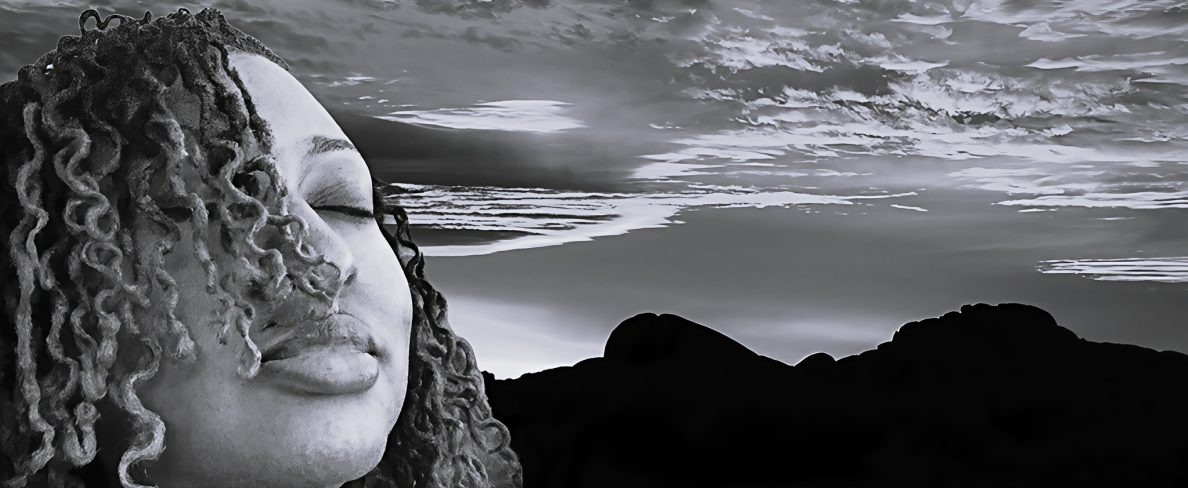

The tilma of Our Lady of Guadalupe is one of the world’s most recognized religious symbols, representing faith and cultural unity. This artifact tells the story of the Virgin Mary’s 1531 apparition to Juan Diego while reflecting Mexican identity and spirituality. Its history and meaning continue to resonate with millions across generations.
From its origins to its home in the Basilica of Our Lady of Guadalupe, the tilma symbolizes hope and unity. It represents the blending of indigenous and Spanish traditions. In this post, I’ll explore its story, the scientific studies that have puzzled experts, and the devotion it inspires.
The legacy of the tilma—a symbol of faith, culture, and hope.
Table of Contents
- Background
- The Story Behind the Tilma
- Artistic Significance
- Cultural Impact
- Miracles and Devotion
- Conclusion
- FAQs
- Sources
Background
The tilma, a simple cloak worn by indigenous Mexicans, holds a story of faith and cultural importance that has inspired people for centuries. On December 9, 1531, Juan Diego, an Aztec convert to Christianity, saw a vision on Tepeyac Hill near present-day Mexico City. The Virgin Mary appeared to him and asked for a church to be built there.
To convince a skeptical bishop, Mary told Juan Diego to gather flowers as a sign. Despite it being winter, he found roses growing on the barren hill. He carried them in his tilma to the bishop, and as the flowers fell, they revealed an image of the Virgin of Guadalupe on the fabric.
The image is known for its lasting colors and preservation. Mary is shown with features that connected with the indigenous people, such as dark skin and Aztec-style dress. She is surrounded by rays of sunlight, symbolizing hope.
For nearly 500 years, the tilma has been kept in the Basilica of Our Lady of Guadalupe in Mexico City, attracting millions of visitors. Scientists have studied it, noting its durability and resistance to aging.
“The conservation of the Tilma is completely beyond any scientific explanation.” – Dr. Adolfo Orozco
The Story Behind the Tilma
Contextual Origins
The tilma of Our Lady of Guadalupe appeared during a time of change in Mexico, shortly after the Spanish conquest of the Aztec Empire in 1521. Indigenous peoples faced the loss of their traditions, and Christianity was introduced, often by force.
In this period, the Virgin Mary’s appearance to Juan Diego in 1531 offered hope and a connection between two worlds. The image on the tilma spoke to both indigenous and Spanish audiences, blending symbols from both cultures and suggesting a shared identity.
The Virgin is shown with dark skin and wearing clothing with Aztec patterns. She stands in front of the sun, wears a mantle with stars, and has a dress with local flowers. These details connected with the indigenous population and reflected their culture.
Her appearance on Tepeyac Hill, once dedicated to the Aztec goddess Tonantzin, further linked old traditions with the new faith. It showed how Christianity could include aspects of indigenous culture.
The Vision
Juan Diego’s encounter with the Virgin Mary on Tepeyac Hill is an important moment in Catholic faith and the start of her significance in Mexico and beyond. On December 9, 1531, while walking to Mass, Juan Diego, an indigenous Christian convert, had a vision that would shape the religious history of the Americas.
Near Tepeyac Hill, he heard music and saw a woman who introduced herself as the Virgin Mary. Speaking in his native Nahuatl, she asked for a sanctuary to be built on the hill, a place where she could offer help and protection to all who sought her.
Juan Diego went to the local bishop, Fray Juan de Zumárraga, to deliver her message. Skeptical, the bishop asked for a sign to confirm the vision. When Juan Diego returned to Mary with the request, she promised a sign.
On December 12, during her fourth appearance, Mary told Juan Diego to gather roses growing on the hill. He collected the roses in his tilma and presented them to the bishop. When he opened his cloak, the flowers fell to the floor, revealing an image of the Virgin of Guadalupe on the fabric.
The image convinced Bishop Zumárraga of the vision’s authenticity, and he built the requested sanctuary on Tepeyac Hill. This church became a site of pilgrimage and devotion, known for acts of faith over the centuries.
Artistic Significance
Symbolism in the Image
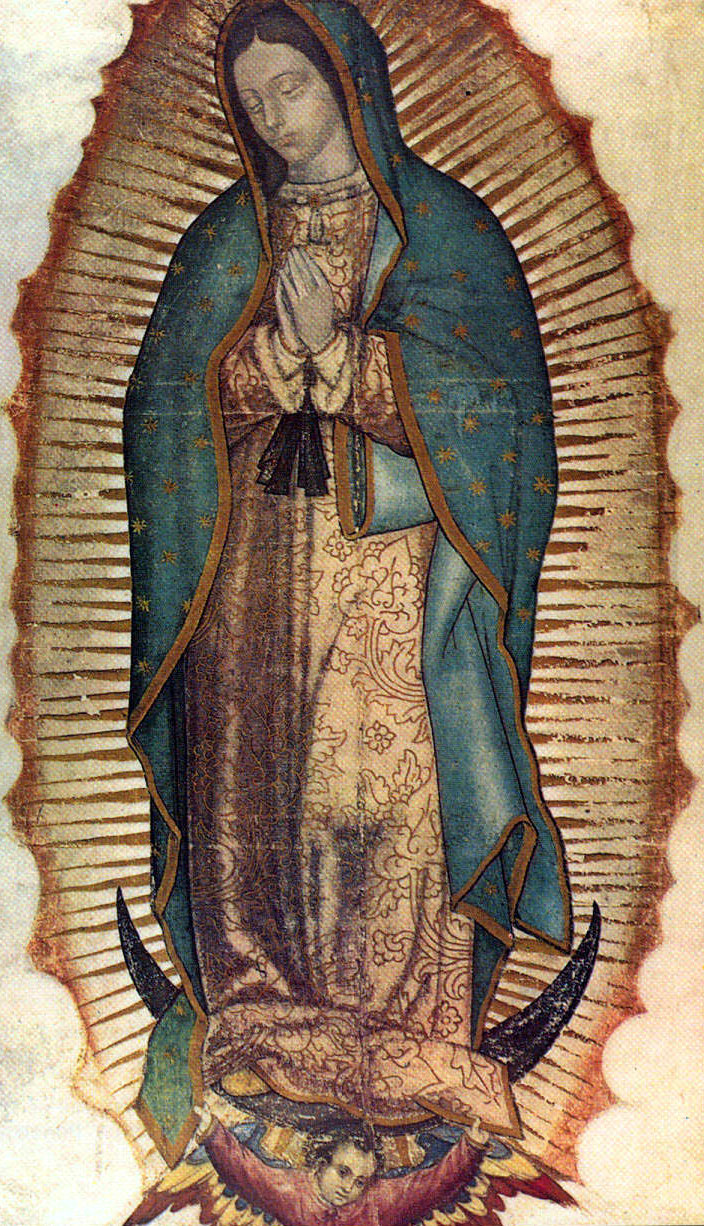
The image on the tilma of Our Lady of Guadalupe combines Indigenous and Christian elements to create a powerful visual story. Each detail in the image holds meaning, reflecting the blending of cultures and beliefs:
The Virgin’s Appearance:
- Skin Color: The Virgin’s dark complexion mirrors that of the Indigenous people, fostering a sense of connection.
- Dress: Her attire includes elements of traditional Aztec dress, such as the flowered pattern on her tunic, linking her to native symbols.
Celestial Imagery:
- Sun Rays: Rays of sunlight surround the Virgin, symbolizing her divine nature and connecting her to the sun deity, a key figure in Aztec beliefs.
- Stars on the Mantle: The stars on her cloak are thought to represent the constellations visible on the day of her apparition, adding cosmic significance.
Symbolic Flowers:
- Jasmine Flowers: The flowers on her tunic mix Castilian roses and jasmine. Jasmine was important to the Aztecs, symbolizing the cosmos and purity.
The Position and Poses:
- Standing on the Moon: The crescent moon at her feet symbolizes the Virgin’s purity and victory over Aztec gods of darkness.
- Posture and Gaze: The Virgin is shown looking down with hands clasped in prayer, signifying humility and compassion, a familiar sign of respect to the Indigenous people.
The Sash:
- Black Ribbon: The black ribbon around her waist was a symbol of pregnancy in Indigenous culture, linking the Virgin Mary to both Aztec and Christian beliefs of fertility and new life.
Angel and Clouds:
- Angel at Her Feet: The angel at her feet represents a messenger between heaven and earth, delivering the divine message.
- Clouds: The clouds around her suggest her heavenly origin, reinforcing her status as the Mother of God.
Artistic Legacy
The image on the tilma of Our Lady of Guadalupe has fascinated art historians and scientists due to its origins and preservation. The techniques and materials used to create the image raise several questions.
- Material and Medium: The tilma is made from agave cactus fiber, which usually degrades within 20 to 30 years. However, the image has remained intact for nearly five centuries. The pigments used in the image cannot be identified by modern scientific methods, leading some researchers to believe the colors come from an unknown source.
- Painting Technique: Art historians have noted the absence of brush strokes, suggesting that the image wasn’t painted using traditional methods. This adds to the mystery, as it does not follow conventional artistic techniques. The colors remain vibrant despite exposure to smoke, humidity, and other environmental factors.
- Scientific Investigations: Studies, including infrared photography and digital analysis, have revealed the lack of preliminary sketches or underdrawings, deepening the mystery of how the image was created. Scientists have observed that the colors appear to float above the surface of the tilma, giving the image a unique depth.
- Symbolic Composition: The arrangement of symbols shows a high level of skill and knowledge of both Indigenous and Christian symbolism. For example, the stars on her mantle align with constellations visible in the 16th century, adding an astronomical aspect to the artwork.
- Preservation: The tilma has withstood numerous threats over the years, including exposure to the elements, damage, and a bomb explosion in 1921 that destroyed the nearby altar but left the tilma unharmed. Efforts to explain or recreate the preservation of the image using modern technology have not provided a clear answer, leading many to view it as a miraculous phenomenon.
Cultural Impact
National Identity
Our Lady of Guadalupe has become a symbol of Mexican nationalism and identity, embedded in the nation’s culture and history. Her significance extends beyond religion, influencing politics, art, and social movements.
Our Lady of Guadalupe is celebrated annually on December 12, marked by festivals, processions, and masses. This day unites millions of Mexicans, reflecting their reverence and pride. Her image is displayed in homes, churches, public spaces, and murals, symbolizing the unity and resilience of the Mexican people.
During Mexico’s fight for independence from Spain, leaders like Miguel Hidalgo adopted her image as a symbol of liberation and unity. The cry of “¡Viva la Virgen de Guadalupe!” became a rallying cry for freedom. The Mexican Revolution saw her image used by leaders like Emiliano Zapata, reinforcing her role as a figure in the fight for justice.
Artists like Diego Rivera and Frida Kahlo included her in their work, reflecting her influence on Mexican art and identity. Writers and poets have also drawn inspiration from her, incorporating her into narratives that shape the national consciousness.
Our Lady of Guadalupe has inspired social and political movements in Mexico. Her image is used in protests and demonstrations, symbolizing hope, resistance, and the fight for justice. She represents the fusion of Indigenous and Spanish heritage, delivering a message of cultural blending and resilience.
Outside of Mexico, Our Lady of Guadalupe is a symbol for the Latino community worldwide. She represents cultural identity, faith, and the struggles and triumphs of the Mexican diaspora. Her importance is recognized by the Catholic Church, with Pope John Paul II naming her the Patroness of the Americas in 1999.
Global Influence
The influence of Our Lady of Guadalupe extends beyond Mexico, reaching pilgrims from around the world. As they travel to the Basilica of Our Lady of Guadalupe in Mexico City, her image unites diverse communities in faith and devotion.
Pilgrims from various countries and backgrounds visit the Basilica, seeking solace, miracles, and spiritual connection. This flow of visitors turns the site into a meeting point, where cultural and religious differences are set aside in favor of a shared devotion to the Virgin of Guadalupe. Her image, a symbol of love and protection, resonates with people across continents, fostering unity and reverence.
The global reach of Our Lady of Guadalupe is seen in many churches, chapels, and shrines dedicated to her around the world. From the United States to the Philippines, her image is enshrined in places of worship, reinforcing her role as a symbol of hope and unity for the Catholic community. Her feast day, celebrated on December 12th, is observed not only in Mexico but also in many other countries, marking her influence and the connection felt by her devotees.
Additionally, Our Lady of Guadalupe serves as a symbol of cultural identity for the Latino diaspora. In countries like the United States, her image provides a sense of home and belonging for Mexican immigrants and their descendants. She reminds them of their heritage, struggles, and faith, and continues to inspire movements for social justice and human rights.
Miracles and Devotion
Miraculous Occurrences
The tilma of Our Lady of Guadalupe is venerated for its creation and the many miracles attributed to it over the centuries. These miracles have strengthened its importance and reverence among the faithful, solidifying its status as a symbol of divine intervention.
Many pilgrims report healings after praying before the tilma. Cases of serious illnesses, disabilities, and incurable conditions being suddenly cured are common among devotees. These testimonies come from individuals who believe their prayers to Our Lady of Guadalupe led to divine intervention.
One of the most notable miracles is the tilma’s survival of a bomb explosion in 1921. A bomb hidden in a bouquet of flowers exploded beneath the image. While the blast damaged the altar and nearby objects, the tilma remained unharmed, leading many to believe it was protected.
The image of Our Lady of Guadalupe has been credited with inspiring many conversions to the Catholic faith. After its appearance, millions of Indigenous people embraced Christianity, seeing in the Virgin a symbol that honored their heritage while inviting them into the new faith.
The tilma has also been the subject of numerous scientific investigations, leading to surprising discoveries. For example, detailed studies of the eyes of the Virgin in the image reportedly show reflections resembling human figures, suggesting the image captures a moment in time. These findings continue to intrigue both believers and skeptics.
Many personal stories of miracles are shared by the faithful. These range from finding peace in times of distress to receiving guidance and blessings during critical moments. Pilgrims often recount how praying to Our Lady of Guadalupe before the tilma has brought about positive changes in their lives.
Annual Celebrations
The feast day of Our Lady of Guadalupe, celebrated on December 12, is a key event for Catholics, especially in Latin America. The day attracts millions of pilgrims from around the world to honor the Virgin of Guadalupe.
At the Basilica of Our Lady of Guadalupe in Mexico City, the event includes processions, music, dances, and prayers. Pilgrims often travel long distances, some on their knees, to honor the Virgin and seek her blessings.
The celebrations begin on the night of December 11 with “Las Mañanitas,” a serenade to honor the Virgin. Thousands gather to sing and celebrate. Throughout the day, the basilica hosts many Masses, including a high Mass attended by clergy and dignitaries.
In Mexico and other Latin American countries, local communities celebrate with traditions. Streets are decorated with images of the Virgin, and homes and churches are filled with flowers, candles, and banners. Cultural events like folkloric dances and reenactments of the apparitions add to the occasion.
Beyond the basilica, parishes and communities around the world observe the feast, reflecting the global reach of Our Lady of Guadalupe’s influence. Her feast day is both a time for prayer and a celebration of Mexican culture.
Conclusion
The tilma of Our Lady of Guadalupe is more than just a piece of cloth; it is a testament to faith, resilience, and cultural history. Its legacy continues to inspire generations, fostering a sense of belonging and hope.
As a symbol of miraculous wonder, the tilma transcends its material essence to embody the profound spiritual connection shared by millions of believers. The image of the Virgin Mary on the tilma has served as a source of comfort and divine intercession for countless individuals, imbuing them with purpose and strength in their daily lives.
The tilma is also a powerful emblem of cultural fusion and identity. It bridges Indigenous and Christian traditions, illustrating the blend of diverse cultural elements that define Mexican heritage. This convergence of beliefs and symbols has created a unique and enduring cultural icon that resonates deeply with people of various backgrounds and faiths.
Throughout history, the tilma has witnessed and withstood the trials and triumphs of the Mexican people, becoming a cornerstone of national pride and unity. It has inspired movements for independence, social justice, and cultural preservation, highlighting its role as a beacon of resilience and transformation.
In the modern world, the tilma continues to draw pilgrims and admirers from around the globe, transcending borders and fostering a sense of global community. Its message of love, compassion, and unity remains as relevant and powerful today as it was nearly five centuries ago.
The enduring legacy of the tilma of Our Lady of Guadalupe is a testament to the timeless power of faith and the human spirit. It reminds us that even in adversity, there is hope, and through shared symbols and stories, we can find strength. This sacred relic not only reflects the past but also illuminates the path forward, guiding and inspiring future generations.
Frequently asked questions about Our Lady of Guadalupe’s tilma
- What is the tilma of Our Lady of Guadalupe? The tilma is a cloak made of cactus fiber worn by Juan Diego. It bears the image of the Virgin Mary, known as Our Lady of Guadalupe, which appeared in 1531 after a series of apparitions. This image has become a symbol of faith and cultural identity, especially in Mexico, and is revered by millions worldwide. The tilma is enshrined in the Basilica of Our Lady of Guadalupe in Mexico City, where it draws many pilgrims each year.
- When did the apparition of Our Lady of Guadalupe occur? The apparitions of Our Lady of Guadalupe to Juan Diego took place over several days in December 1531. The first apparition occurred on December 9, and the miraculous image appeared on his tilma on December 12, after he gathered roses as a sign for the bishop. These events are commemorated annually and have had a significant impact on the Catholic faith and Mexican cultural history.
- Why is the tilma important to Mexican culture? The tilma of Our Lady of Guadalupe is more than a religious artifact; it embodies Mexican identity, history, and spirituality, uniting people across generations and regions.
- Are there any scientific studies on the tilma? Various scientific analyses have been conducted on the tilma to understand its preservation and the nature of the image. Researchers have examined the fabric, pigments, and overall condition of the tilma, often finding results that challenge conventional explanations.
- How is the tilma preserved today? The tilma is preserved and displayed at the Basilica of Our Lady of Guadalupe in Mexico City, one of the most visited pilgrimage sites in the world. It is housed in a secure, climate-controlled environment to ensure its preservation. It is mounted behind bulletproof glass to protect it from environmental pollutants, physical damage, and potential acts of vandalism. The casing also helps maintain a stable temperature and humidity level, crucial for the longevity of the delicate cactus fiber fabric. The basilica also uses modern conservation techniques to monitor and care for the tilma. Regular inspections and limited exposure to harmful elements help prevent deterioration. Pilgrims and visitors can view the tilma from a moving walkway, ensuring a steady flow of people and minimizing the risk of overcrowding or damage.
Sources
- A Handbook on Guadalupe. United States: Franciscan Friars of the Immaculate, 1997.
- Gonzalez, Joseph Julian., Gonzàlez, Monique., González, Monique. Guadalupe and the Flower World Prophecy: How God Prepared the Americas for Conversion Before the Lady Appeared. United States: Sophia Institute Press, 2023.
- Anderson, Carl., Chavez, Eduardo. Our Lady of Guadalupe: Mother of the Civilization of Love. United States: Random House Publishing Group, 2017.
- Gorny, Grzegorz. Guadalupe Mysteries: Deciphering the Code. United States: Ignatius Press, 2016.
- West, Christopher. 2020. “Do You Know the Secrets of the Tilma? Pondering the Deep Mysteries of Our Lady of Guadalupe on Her Feast Day – Theology of the Body Institute.” Theology of the Body Institute. January 6, 2020. https://tobinstitute.org/pondering-the-tilma-our-lady-of-guadalupe/.
- The Roman Catholic Diocese of Orange. 2024. “Missionary Image of Our Lady of Guadalupe – RCBO.” RCBO. October 30, 2024. https://www.rcbo.org/tilma/.
- Our Lady of Guadalupe Church. 2021. “Our Lady’s Image on the Tilma | Our Lady of Guadalupe.” Our Lady of Guadalupe | Catholic Church in Macedonia, OH. May 15, 2021. https://olg.cc/about/about-our-patroness/our-ladys-image-on-the-tilma/.
- “The History & Significance of Our Lady of Guadalupe Shrine.” 2024. Shrine of Our Lady of Guadalupe. November 13, 2024. https://guadalupeshrine.org/our-lady-of-guadalupe-shrine/.
- Staff, Cna. 2024. “Our Lady of Guadalupe ‘Completely Beyond’ Scientific Explanation, Says Researcher.” Catholic News Agency, November 10, 2024. https://www.catholicnewsagency.com/news/16789/our-lady-of-guadalupe-completely-beyond-scientific-explanation-says-researcher.
- Plainview Herald. 2002. “Scientist Says Mexico’s Virgin Image Isn’t Miraculous,” June 2, 2002. https://www.myplainview.com/news/article/Scientist-says-Mexico-s-Virgin-image-isn-t-8757544.php.
- “He Keeps One Eye to the Heavens.” 2019. The Divine Mercy. September 5, 2019. https://www.thedivinemercy.org/articles/he-keeps-one-eye-heavens.
- Wikipedia contributors. 2024. “Our Lady of Guadalupe.” Wikipedia. November 7, 2024. https://en.wikipedia.org/wiki/Our_Lady_of_Guadalupe.
© 2026 Chandra Martin. All Rights Reserved.
All original research, writing, analysis, and historical synthesis on this site is the intellectual property of Chandra Martin. This content may not be copied, reproduced, republished, distributed, adapted, or used in any form—digital or print—without prior written permission from the author.
Limited quotation for academic or educational purposes is permitted only if proper credit is given and the use does not alter the meaning, context, or integrity of the work.
To request permission for use in publications, videos, courses, educational materials, or digital media, please
contact:
Contact
Include:
- Your name
- The specific content you wish to use
- How and where it will be used
- Whether the use is commercial or non-commercial
All requests will be reviewed on a case-by-case basis.
 Chandra Martin