

A Voice from Harper’s Ferry by Osborne P. Anderson is a firsthand account of John Brown’s 1859 raid on Harpers Ferry. As one of the few survivors, Anderson provides a detailed look at the events, the people involved, and the challenges they faced. He explains the motives behind the raid, describes what happened, and reflects on its impact. His narrative offers insight into the fight against slavery and the push for freedom, making it a valuable historical record of this pivotal moment in American history.
Table of Contents
- Introduction
- Historical Context
- Overview of the Book
- Themes and Analysis
- Profiles of the Individuals Involved
- Legacy and Impact
- Conclusion
- FAQs
- Sources
Introduction
Osborne P. Anderson’s A Voice from Harper’s Ferry is a firsthand account of John Brown’s 1859 raid on Harpers Ferry, written by one of its few survivors. Anderson provides a detailed look at the raid’s planning, execution, and aftermath, shedding light on the motivations behind it and the risks involved. He also connects the event to the larger abolitionist movement, emphasizing the broader fight against slavery.
Beyond recounting what happened, Anderson offers insight into the people who took part in the raid—their hopes, struggles, and sacrifices. His account provides a rare perspective on this pivotal moment in American history, making it an important resource for understanding the fight for freedom and justice.
Historical Context
Leading up to the 1859 raid on Harpers Ferry, the U.S. was deeply divided over slavery, with growing tensions between the North and South. The Kansas-Nebraska Act of 1854 had repealed the Missouri Compromise, allowing new territories to decide on slavery. This resulted in violent conflicts like “Bleeding Kansas,” where abolitionists and pro-slavery forces clashed. The political climate was charged, with the fight over slavery pushing the nation toward a breaking point.
John Brown, a committed abolitionist, believed armed insurrection was the only way to end slavery. His raid on Harpers Ferry aimed to spark a slave rebellion by seizing the federal armory, arming enslaved people, and creating a safe haven for them. Although the raid was a failure, it intensified fears in the South of a widespread uprising and further deepened the divide between the North and South. Brown’s execution turned him into a martyr for the abolitionist cause, fueling anti-slavery sentiment in the North and heightening tensions that eventually led to the Civil War.
Throughout the 1850s, the issue of slavery dominated the political landscape. The Compromise of 1850 tried to address the issue by admitting California as a free state while letting Utah and New Mexico decide on slavery through popular sovereignty. The Fugitive Slave Act, part of this compromise, required escaped slaves to be returned to their owners, even if they were in free states, further escalating tensions. The Kansas-Nebraska Act and the violence in Kansas showed just how deep the sectional divide had become.
John Brown’s raid on Harpers Ferry, though unsuccessful, brought slavery to the forefront of national debates. It highlighted the growing conflict between the North and South and helped set the stage for the Civil War. Brown’s commitment to the cause and his willingness to sacrifice his life inspired many and marked a significant moment in the abolitionist movement.
Overview of the Book
In A Voice from Harper’s Ferry, Osborne P. Anderson takes readers through John Brown’s 1859 raid on Harpers Ferry, starting with the planning stage. Brown’s goal was to ignite a slave rebellion by attacking the federal armory, and he recruited both Black and white abolitionists who were committed to the cause. Anderson gives an in-depth look at the group’s preparations, capturing the tension and determination they felt as they got ready for the raid.
When the night of October 16th arrived, Anderson’s descriptions pull readers into the heart of the action. He recounts how Brown and his followers launched the raid, taking the armory and hostages in an attempt to spark an uprising. What followed was a battle with local militias and federal troops, which quickly turned the tide against them. Anderson offers a personal, emotional account of the chaos and bravery involved in the raid.
As one of the few survivors, Anderson’s escape to freedom was fraught with danger. He details his journey through hostile territory, emphasizing the risks he and others took for the abolitionist cause. In the final parts of the book, Anderson reflects on the raid’s significance and its impact on the abolitionist movement, focusing on the ongoing struggle for justice and equality.
Anderson was born free in Pennsylvania and played a key role in the raid as one of the few Black American participants—and the only Black survivor. He joined Brown’s mission with hopes of sparking a slave rebellion and was stationed with Albert Hazlett, tasked with guarding hostages and distributing weapons to enslaved people who joined them. His role as a Black participant gives his account a unique perspective, highlighting the bravery and determination of the Black participants, who were willing to risk everything for freedom.
Anderson also reflects on the broader context of the raid, pointing out that many enslaved people were ready and willing to fight for their freedom. His account sheds light on the harsh realities of slavery and the deep desire for freedom among Black Americans, adding an important layer to our understanding of the abolitionist movement.
The book is structured to guide readers through the events of the raid, from the planning stages to the aftermath. Anderson provides context on the socio-political climate, then shifts to the preparations for the raid, offering an insider’s view of the planning process. As the raid unfolds, his vivid descriptions capture the action, from the initial success of taking the armory to the eventual failure of the mission.
Throughout the book, Anderson mixes personal reflections with historical accounts, giving the narrative both depth and emotional weight. His perspective as a Black American participant offers a powerful lens to understand the raid’s significance. Anderson’s story of escape and his reflections on the raid’s impact underscore the ongoing fight for justice and equality.
By blending detailed history with personal insight, Anderson provides a valuable contribution to our understanding of this key moment in American history. A Voice from Harper’s Ferry is both informative and moving, offering a clear view of the risks, sacrifices, and determination behind the abolitionist movement.
Themes and Analysis
In A Voice from Harper’s Ferry, Osborne P. Anderson touches on several key themes that run throughout the narrative, such as courage, sacrifice, and justice. One of the strongest themes is courage, as Anderson highlights the bravery of John Brown and his followers who risked their lives to fight against slavery. The raid on Harpers Ferry was a bold attempt to challenge an entrenched system, and the participants’ willingness to face danger in pursuit of a greater cause stands out as a central point in Anderson’s account.
Sacrifice is another critical theme. The raid involved heavy personal sacrifices, especially with the loss of life. Anderson reflects on the profound impact these sacrifices had, not only on the individuals directly involved but on the broader abolitionist movement. His narrative underscores that meaningful change often requires great cost, and he honors those who gave their lives for the cause of ending slavery.
Justice is another important theme that runs throughout the book. Anderson’s account emphasizes the moral urgency of fighting against slavery and the belief in the inherent equality and dignity of all people. The raid, despite its failure, is portrayed as a necessary step toward achieving justice for the enslaved, and Anderson stresses the ongoing struggle for equality and human rights that continued after the raid.
Anderson’s perspective as one of the few Black American participants—and the only Black survivor—adds depth to the narrative. His unique position as a free Black man who joined Brown’s mission underscores his deep commitment to the abolitionist cause. Anderson’s personal involvement in the raid provides vivid descriptions of the planning, execution, and aftermath, bringing an emotional weight to the story. His reflections offer valuable insights into the motivations of those who fought for freedom and justice.
His narrative also highlights the courage of the Black participants, who were willing to risk everything for the chance at freedom. Anderson’s firsthand account adds a crucial layer of understanding to the broader implications of the raid, showing how it connected to the larger abolitionist movement and the ongoing fight for justice.
Through his personal experience, Anderson crafts a compelling narrative that is both informative and emotionally resonant, giving readers a powerful lens through which to view the events of the raid and their significance in the broader fight against slavery.
The moral implications of violence in the fight for freedom are complex. On one hand, violence is generally seen as wrong, leading to suffering, loss of life, and disruption. Many ethical systems promote peaceful, non-violent methods of resolving conflict and seeking social change. However, when systemic injustice and human rights violations are deeply ingrained, some argue that violent resistance becomes a morally justified option. In the case of John Brown’s raid, violence was seen as a necessary response to the brutality of slavery and a way to spark broader action for justice.
Supporters of violent resistance often argue from the standpoint of self-defense, saying that when peaceful efforts are exhausted or met with violent repression, armed resistance can be a legitimate means of achieving freedom. Historical examples, such as slave revolts and anti-colonial struggles, support the idea that violence can be a tool for liberation when all other options fail.
On the other hand, critics of violence point out its ethical risks, such as the potential for innocent lives lost and the cycle of violence it can create. They argue for non-violent methods, such as civil disobedience and dialogue, as more sustainable and morally defensible ways to create change. Figures like Gandhi and Martin Luther King Jr. embodied this approach and showed that social progress can come without resorting to violence.
The moral implications of violence in the struggle for freedom remain a debated issue, balancing justice, human rights, and the ethical means of achieving them. This ongoing debate continues to shape how we understand resistance movements both in history and today.
Profiles of the Individuals Involved
John Brown: Born on May 9, 1800, in Torrington, Connecticut, John Brown was a militant abolitionist whose raid on the federal arsenal at Harpers Ferry in 1859 made him a martyr to the antislavery cause. Brown believed that armed insurrection was necessary to end slavery, and his actions at Harpers Ferry were intended to incite a slave rebellion. Despite the raid’s failure and his subsequent execution, Brown’s unwavering commitment to the abolitionist cause left a lasting impact on the fight against slavery.
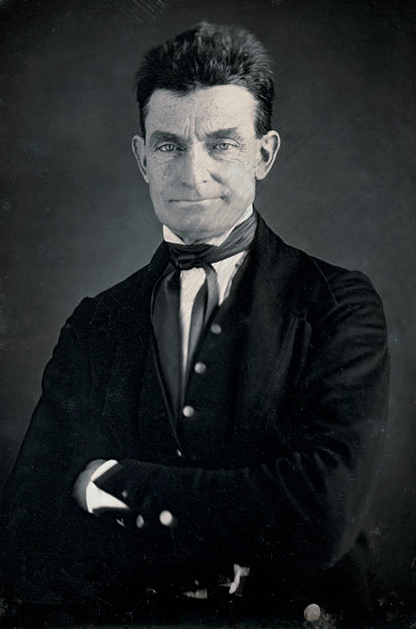
Osborne P. Anderson: Born on July 27, 1830, in West Fallow Field Township, Pennsylvania, Anderson was a free Black American abolitionist and the only Black survivor of the Harpers Ferry raid. He played a crucial role in the raid, providing support and distributing weapons to enslaved people who joined the effort. Anderson’s firsthand account of the raid, detailed in A Voice from Harper’s Ferry, offers a unique and powerful perspective on the events and their significance.
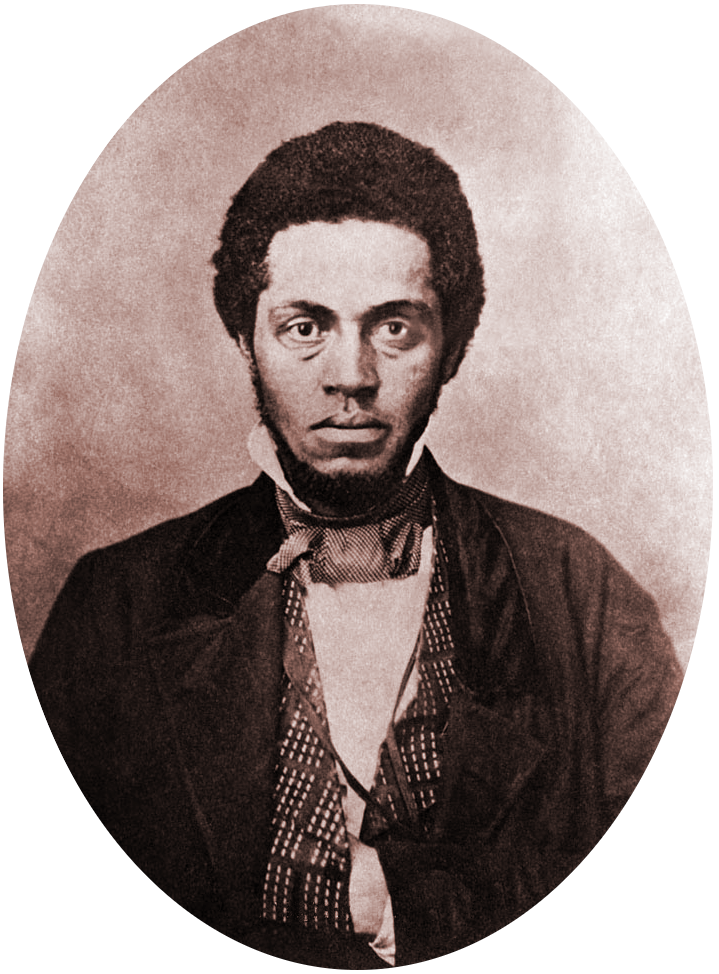
Dangerfield Newby: Born into slavery in Virginia, Newby was one of the five Black men who participated in the Harpers Ferry raid. He joined Brown’s mission with the hope of freeing his enslaved wife and children. Tragically, Newby was among the first to be killed during the raid.

John Henry Kagi: A close associate of John Brown, Kagi served as Brown’s second-in-command during the raid. Born in Ohio, Kagi was a fervent abolitionist who had previously been involved in the fight against slavery in Kansas. He was killed during the raid at Harpers Ferry.

Lewis Sheridan Leary: Born free in North Carolina, Leary was another Black participant in the raid. He joined Brown’s mission after being inspired by the abolitionist cause. Leary was wounded during the raid and later died from his injuries.

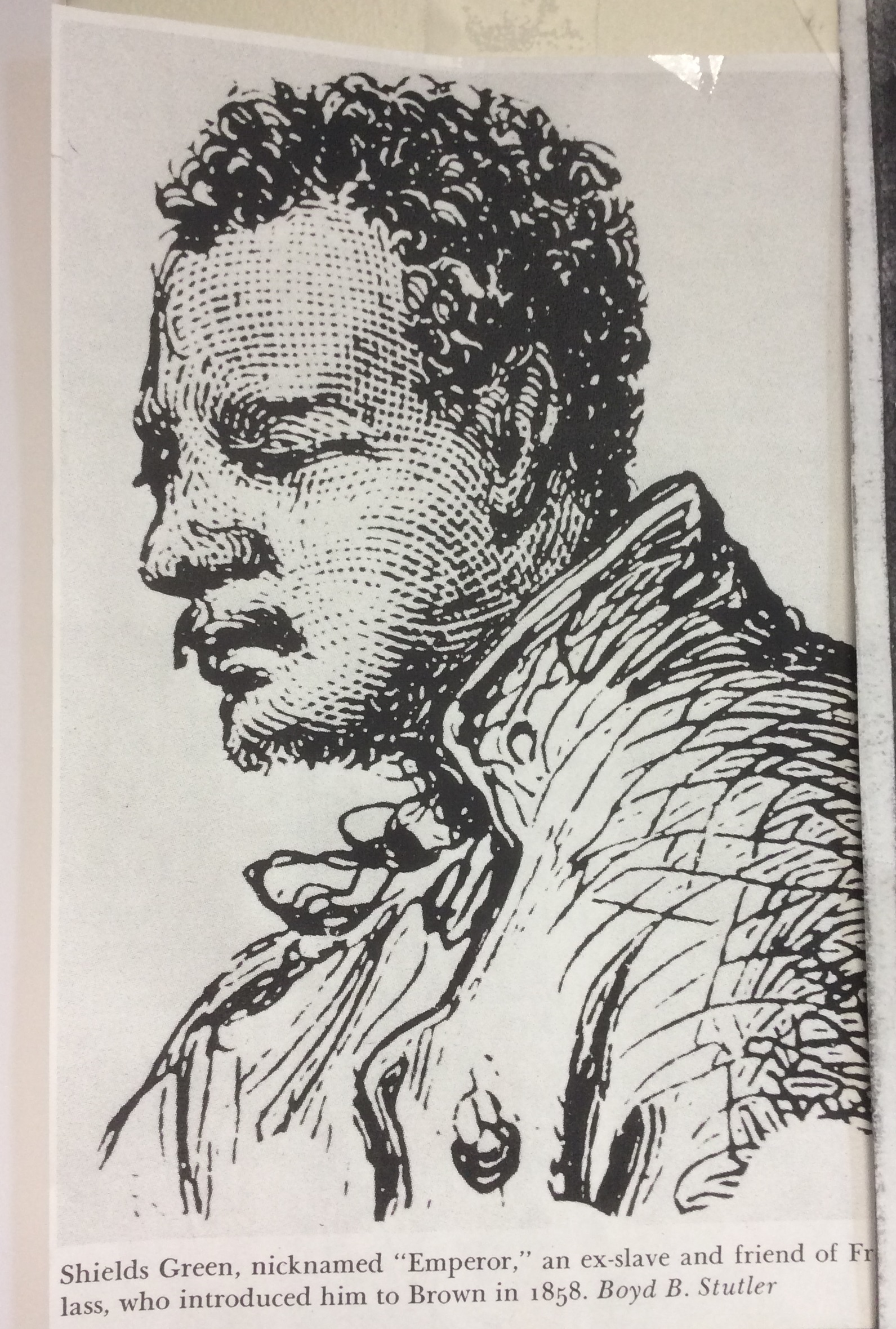
Shields Green: Also known as “Emperor,” Green was a fugitive slave who joined Brown’s raid. He was captured during the raid and later executed. Green’s bravery and commitment to the cause of freedom were widely recognized.
Other key raiders included:
- Oliver Brown, John Brown’s youngest son, who was mortally wounded during the raid.
- Watson Brown, another of John Brown’s sons, who also suffered mortal wounds while trying to negotiate with the militia.
- John Anthony Copeland Jr., a free Black American and former Oberlin College student, who was captured and executed.
- Albert Hazlett, who defended the armory during the raid and was later captured and executed.
These individuals, alongside others, showed incredible courage and made significant sacrifices in their fight for freedom and justice.
Osborne P. Anderson’s character shines through his dedication to the abolitionist cause. As a free Black American, Anderson’s decision to risk his life in the raid reflects his deep sense of justice. His narrative in A Voice from Harper’s Ferry highlights his empathy for the enslaved and his determination to contribute to their liberation, showcasing his resilience in the face of danger. Anderson’s unique perspective, as one of the few Black participants, adds depth to his account and honors the sacrifices made by fellow raiders. His writing emphasizes the ongoing struggle for justice and equality.
In essence, Anderson’s bravery and unwavering commitment to abolitionism make his account an essential contribution to understanding this pivotal moment in American history.
The raid, led by John Brown, played a crucial role in the broader abolitionist movement. Brown’s radical approach, including his willingness to use violence, challenged the nation’s conscience and brought slavery to the forefront of public debate. Though the raid failed, it further divided the North and South, contributing to the tensions leading to the Civil War. Brown’s execution transformed him into a martyr for the abolitionist cause.
Anderson’s firsthand account provides a personal and valuable perspective, offering insights into the raid and the larger abolitionist struggle. As one of the few survivors and a Black participant, his reflections highlight the courage and determination of those who fought against slavery.
Other raiders, like Oliver and Watson Brown, John Anthony Copeland Jr., and Albert Hazlett, also made important contributions. Their stories underscore the diverse nature of the abolitionist movement, and the bravery needed to challenge slavery. The involvement of Black American raiders like Copeland and Green emphasized the active role Black individuals played in their own liberation.
Together, these participants’ actions fueled the abolitionist movement, helped galvanize public support, and ultimately set the stage for the Civil War and the abolition of slavery. Their efforts brought the moral issues of slavery to light, leaving a lasting legacy that still resonates today.
“If I am dying for freedom, I could not die for a better cause — I had rather die than be a slave!” – John Anthony Copeland Jr. (before being hanged for his participation in John Brown’s raid on Harper’s Ferry)
Legacy and Impact
In the immediate aftermath, tensions between the North and South escalated. The South, already anxious about slave uprisings, saw the raid as evidence that abolitionists would go to any lengths to end slavery. This fear led to more militancy, and local militias were formed to protect against potential future attacks. Public opinion in the North was split. While many condemned Brown’s violence, others viewed him as a martyr for the abolitionist cause. His trial and execution drew widespread attention, and his unwavering commitment to ending slavery inspired many to join the movement.
The raid also galvanized the abolitionist cause. Brown’s willingness to sacrifice his life for freedom brought urgency to the fight against slavery. Prominent figures like Frederick Douglass and Henry David Thoreau supported him, with Thoreau even delivering a speech in which he depicted Brown as a Christ-like figure justified in using violence for such a righteous cause.
The raid is often seen as a precursor to the Civil War, exposing the deep divisions between the North and South over slavery. Though the raid failed, it did not weaken the abolitionist movement. Instead, it strengthened the resolve of those fighting for justice and equality. Brown’s legacy lived on, motivating future generations to continue the struggle for civil rights and social justice.
Ultimately, the aftermath of the Harpers Ferry raid demonstrated the lasting impact that one act of defiance could have on history, shaping both the abolitionist movement and the path to the Civil War.
Osborne P. Anderson’s A Voice from Harper’s Ferry has played a significant role in shaping modern perspectives on the Civil War and race relations. As one of the few firsthand accounts from a Black participant in the raid, Anderson’s narrative provides a unique perspective on the events leading up to the Civil War. His detailed account offers insight into the motivations and experiences of those fighting against slavery, emphasizing their courage and determination.
Anderson’s writing humanizes the participants, highlighting their bravery and the moral drive behind their actions. His account also contributes to a more nuanced understanding of the abolitionist movement and its strategies. By focusing on the experiences of Black abolitionists, Anderson challenges the common portrayal of Black Americans as passive victims, revealing their active role in their own liberation.
Anderson’s reflections on the raid’s broader significance also speak to ongoing struggles for justice and equality. His account underscores the enduring relevance of the fight against racial inequality and the need for continued activism. It serves as a powerful reminder of the sacrifices made by those who fought for freedom, and its themes continue to resonate with contemporary discussions about systemic racism.
In short, A Voice from Harper’s Ferry deepens our historical understanding of the Civil War and race relations. It serves as a testament to the resilience and determination of those who fought against slavery and continues to inspire modern conversations on justice and equality.
Today, debates about civil disobedience and activism are vibrant and multifaceted, with scholars and activists examining how historical movements intersect with current global challenges. For example, Erin Pineda’s research explores the connections between U.S. civil rights activists and international anti-colonial movements, highlighting the ongoing relevance of nonviolent protest and global solidarity.
Theorists like William Scheuerman and Candice Delmas discuss the definitions and impact of civil disobedience, focusing on how political climates shape its effectiveness. These debates often examine the balance between nonviolent resistance and the potential for movements like Extinction Rebellion and the Dutch farmers’ protests to polarize societies.
In the digital age, online culture has changed how civil disobedience is practiced. Social media plays a major role in organizing protests and amplifying messages. However, there are concerns about the risks of digital activism, including increased polarization and the spread of misinformation.
Overall, discussions about civil disobedience continue to evolve, drawing on historical lessons while addressing the unique challenges of today’s digital and politically complex world.
Conclusion
In conclusion, Osborne P. Anderson’s A Voice from Harper’s Ferry offers a unique and valuable perspective on one of the most important events in American history. As both a participant and a survivor, Anderson provides a firsthand account filled with detail and insight. Through his eyes, readers gain a deeper understanding of the motivations, struggles, and sacrifices of those who fought against slavery.
This book not only recounts the events of John Brown’s raid but also explores its broader impact on the abolitionist movement and the fight for justice and equality. Anderson’s personal experiences and reflections on the raid’s significance add depth to the historical record, making his account a key contribution to understanding this critical period.
A Voice from Harper’s Ferry is a reminder of the abolitionist movement’s lasting legacy and the ongoing struggle for civil rights. Anderson’s story highlights the courage and determination of those who risked everything for freedom, serving as a poignant reminder of the sacrifices made in the pursuit of justice and equality.
Following the release of A Voice from Harper’s Ferry in 1861, Anderson continued his active engagement in the struggle for liberty. He joined the Union Army in 1864, taking on the role of a recruitment officer in Indiana and Arkansas, where he dedicated his efforts to motivating Black Americans to enlist and combat slavery.
Frequently asked questions about A Voice from Harper’s Ferry
- What is “A Voice from Harper’s Ferry” about? The book is a firsthand account of John Brown’s raid on Harper’s Ferry in 1859, written by Osborne Perry Anderson, one of the raid’s participants. It details the planning, execution, and aftermath of the raid.
- Why is “A Voice from Harper’s Ferry” significant? The book provides a unique perspective on the raid, as Anderson was the only surviving member of Brown’s party. It offers insights into the motivations and experiences of the raiders and highlights the broader struggle against slavery.
- Who was Osborne Perry Anderson? Anderson was a Black American abolitionist who joined John Brown’s raid on Harper’s Ferry. He served as the recording secretary and helped with the planning and execution of the raid.
- How did Anderson escape capture after the raid? Anderson was the only member of Brown’s party to escape capture when U.S. Marines attacked the arsenal. He fled to Pennsylvania and later wrote his account of the raid.
- What themes does the book explore? The book explores themes of slavery, resistance, and the moral complexities of the abolitionist movement. Anderson draws parallels between John Brown and historical figures like Moses, positioning Brown as a liberator.
Sources
- Anderson, Osborne Perry. A Voice from Harper’s Ferry: A Narrative of Events at Harper’s Ferry: with Incidents Prior and Subsequent to Its Capture by Captain Brown and His Men. United States: author, 1861. (Google Books)
- “Break This Down: Activism and Civil Disobedience.” 2021. Barnard College. https://barnard.edu/news/break-down-activism-and-civil-disobedience.
- Çıdam, Çiğdem, William E. Scheuerman, Candice Delmas, Erin R. Pineda, Robin Celikates, and Alexander Livingston. 2020. “Theorizing the Politics of Protest: Contemporary Debates on Civil Disobedience.” Contemporary Political Theory 19 (3): 513–46. https://doi.org/10.1057/s41296-020-00392-7.
- “The Risks of Civil Disobedience Influenced by Online Culture.” n.d. https://www.diggitmagazine.com/academic-papers/risks-civil-disobedience-influenced-online-culture.
- Mingus, Scott. 2020. “Civil War Voices: Osborne Perry Anderson, Harpers Ferry Raider – Cannonball.” Cannonball. October 26, 2020. https://yorkblog.com/cannonball/civil-war-voices-osborne-perry/.
- The Editors of Encyclopaedia Britannica. 2025. “Harpers Ferry Raid | Date, Significance, John Brown, & Facts.” Encyclopedia Britannica. January 2, 2025. https://www.britannica.com/event/Harpers-Ferry-Raid.
- The Editors of Encyclopaedia Britannica. 2025. “John Brown | History, Harpers Ferry, Slavery, Significance, & Facts.” Encyclopedia Britannica. February 4, 2025. https://www.britannica.com/biography/John-Brown-American-abolitionist.
- Mullen, Matt. 2023. “John Brown: Abolitionist, Raid & Harpers Ferry – HISTORY.” HISTORY, June 27, 2023. https://www.history.com/topics/slavery/john-brown.
- Seidman, Derek, and Samantha Borek. 2024. “Legacy of John Brown’s Abolitionist Raid Lives on, 165 Years Later.” Truthout, October 16, 2024. https://truthout.org/articles/legacy-of-john-browns-abolitionist-raid-lives-on-165-years-later/.
- “John Brown.” n.d. American Battlefield Trust. https://www.battlefields.org/learn/biographies/john-brown.
- “John Brown’s Raiders.” 2009. American Battlefield Trust. https://www.battlefields.org/learn/articles/john-browns-raiders.
- Dixon, Mark E. 2024. “The Surprising Role One Local Man Played in the Deadly Harpers Ferry Raid.” Main Line Today. January 7, 2024. https://mainlinetoday.com/life-style/the-surprising-role-one-local-man-played-in-the-deadly-harpers-ferry-raid/.
- “A Nation Divided: The Political Climate of 1850s America · the Benjamin Hedrick Ordeal: A Portrait of Antebellum Politics and Debates Over Slavery · Civil War Era NC.” n.d. https://cwnc.omeka.chass.ncsu.edu/exhibits/show/benjamin-hedrick/polticalclimate.
- “Investigating US History.” n.d. https://investigatinghistory.ashp.cuny.edu/module5.php.
- Rothman, Joshua D. 2015. “Who Is to Blame? A Violent Act Becomes Political Narrative.” We’re History. December 15, 2015. https://werehistory.org/harpers-ferry/.
- “Black Raiders.” n.d. https://www.pbs.org/wgbh/aia/part4/4p2941.html.
- “‘I Had Rather Die Than Be a Slave’ (U.S. National Park Service).” n.d. https://www.nps.gov/articles/john-browns-raiders.htm.
- Westbrook, A. (2009, March 29). Osborne P. Anderson (1830-1872). BlackPast.org. https://www.blackpast.org/african-american-history/anderson-osborne-p-1830-1872/
- Wikipedia contributors. 2024. “Osborne Perry Anderson.” Wikipedia. July 15, 2024. https://en.wikipedia.org/wiki/Osborne_Perry_Anderson.
- Wikipedia contributors. 2025. “John Brown (Abolitionist).” Wikipedia. January 16, 2025. https://en.wikipedia.org/wiki/John_Brown_%28abolitionist%29.
- Wikipedia contributors. 2025. “John Brown’s Raid on Harpers Ferry.” Wikipedia. February 18, 2025. https://en.wikipedia.org/wiki/John_Brown%27s_raid_on_Harpers_Ferry.
- Wikipedia contributors. 2025. “John Brown’s Raiders.” Wikipedia. January 27, 2025. https://en.wikipedia.org/wiki/John_Brown%27s_raiders.
© 2026 Chandra Martin. All Rights Reserved.
All original research, writing, analysis, and historical synthesis on this site is the intellectual property of Chandra Martin. This content may not be copied, reproduced, republished, distributed, adapted, or used in any form—digital or print—without prior written permission from the author.
Limited quotation for academic or educational purposes is permitted only if proper credit is given and the use does not alter the meaning, context, or integrity of the work.
To request permission for use in publications, videos, courses, educational materials, or digital media, please
contact:
Contact
Include:
- Your name
- The specific content you wish to use
- How and where it will be used
- Whether the use is commercial or non-commercial
All requests will be reviewed on a case-by-case basis.
 Chandra Martin
.jpg)


