

Robert Smalls stands out as a remarkable individual in the annals of American history, embodying bravery, tenacity, and a steadfast commitment to fairness. His journey from slavery to becoming a hero of the Civil War, a venerated lawmaker, and an advocate for the rights of all citizens is truly inspiring.
Table of Contents
- Introduction
- Early Life
- The Escape
- Life After Escape
- Political Career
- Illness and Death
- Legacy
- Conclusion
- FAQs
- Sources
Introduction
Robert Smalls, born on April 5, 1839, in Beaufort, South Carolina, was a politician, publisher, businessman, and maritime pilot. His journey from slavery to freedom is incredible. During the Civil War, Smalls became famous for stealing the Confederate transport ship, the CSS Planter, and sailing it to Union lines, freeing himself, his crew, and their families. This bold move showed his bravery and determination to fight for freedom.
After the war, Smalls continued to make an impact during Reconstruction. He became the first Black captain of a U.S. vessel and served multiple terms as a congressman from South Carolina. In politics, he pushed for civil rights and education, helping create the state’s first free, mandatory public school system.
Smalls’ life proves how courage and leadership can spark change. His rise from slavery to political leadership inspired future generations of Black Americans to fight for their rights, making him a key figure in American history.
Early Life
Robert Scott Smalls was born into slavery on April 5, 1839, in Beaufort, South Carolina, to Lydia Polite, who was enslaved by Henry McKee. Smalls grew up in the Lowcountry Gullah culture, influenced by his mother. Although McKee favored him, his mother wanted him to understand the struggles of enslaved field workers, so she had him work in the fields and witness the harsh punishments they endured. At 12, he was sent to Charleston, working as a waiter and dockworker. His earning went to his enslaver, which was common practice at the time.
Slavery in South Carolina was widespread and brutal. Enslaved people were treated as property and faced violence or the threat of it. They lived in overcrowded, unsanitary conditions with little food or supplies. Family separations were common, and poverty was a constant struggle. Enslaved people worked long hours in the fields and in skilled trades like blacksmithing, carpentry, and mechanics. Black women also had to care for their families, cooking, taking care of children, and handling household chores.
“My race needs no special defense for the past history of them and this country. It proves them to be equal of any people anywhere. All they need is an equal chance in the battle of life.” — Robert Smalls
The Escape
On the night of May 12, 1862, Robert Smalls made his daring escape from slavery. While the ship’s officers were ashore, Smalls took control of the CSS Planter, a Confederate transport ship. Flying a Confederate flag, he skillfully navigated past forts and batteries in Charleston Harbor without suspicion. At dawn, he raised a white flag and headed for Union lines, handing over the ship and its valuable cargo to the Union Navy.
Robert Smalls knew his way around a ship long before his famous escape. As a teenager, he worked on the CSS Planter, and eventually became its unofficial pilot, even though he was officially called a “wheelman” because of racial restrictions. His deep knowledge of Charleston Harbor and its defenses played a key role in pulling off the daring escape.
The escape was carefully planned. He shared it with the enslaved crew members, and together, they made it happen. Smalls stopped at a nearby wharf to pick up his wife, Hannah, their children, and the families of the other crew members, ensuring everyone made it to freedom. Along with delivering the CSS Planter to the Union fleet, they provided crucial intelligence about Confederate defenses. Smalls’ courageous act secured their freedom and cemented his legacy as a Civil War hero.
Life After Escape
Robert Smalls’ bold escape changed everything for him and his family. By taking control of the CSS Planter and bringing it to Union lines, he won freedom for himself, his wife, Hannah, and their children. For the first time, they could live as a family without the fear of being torn apart. The escape also made Smalls a hero, gaining him respect and recognition from the Union forces and the public.
After his escape, Robert Smalls served in the Union Navy, piloting the USS Planter and the ironclad USS Keokuk. His skills and courage were key in several missions, including the bombardment of Fort Sumter. Smalls went on to become the first Black captain in the U.S. Navy. After the Civil War, he built a successful political career, serving as a congressman from South Carolina and fighting for civil rights and education. He played a major role in creating South Carolina’s first free public school system, leaving a lasting legacy both in the military and beyond.
Political Career
After the Civil War, Robert Smalls got involved in politics. In 1868, he was elected to the South Carolina State Legislature, where he helped create the South Carolina Land Commission to redistribute land to former slaves. Later, he served several terms in the U.S. House of Representatives, representing South Carolina during Reconstruction.
During Reconstruction, Robert Smalls became a key leader. He helped start the South Carolina Republican Party and pushed hard for public education and civil rights. He also secured funding to improve Port Royal Harbor and stood up for the rights of Black Americans in Beaufort County. Despite the challenges and opposition, his efforts played a big role in the progress made during that time.
Illness and Death
In the later part of his life, Smalls struggled with diabetes. He also contracted malaria, which further contributed to his declining health. On February 23, 1915, surrounded by his family in his final moments, Robert Smalls passed away at his home in Beaufort, South Carolina.

He is buried in the family lot of the Smalls family at Tabernacle Baptist Church Cemetery in Beaufort, South Carolina. He was buried with full military honors, and his funeral was one of the largest in the history of Beaufort. It was a reflection of the respect and admiration he earned during his lifetime for his actions during the Civil War and his political contributions to his community and country.
Legacy
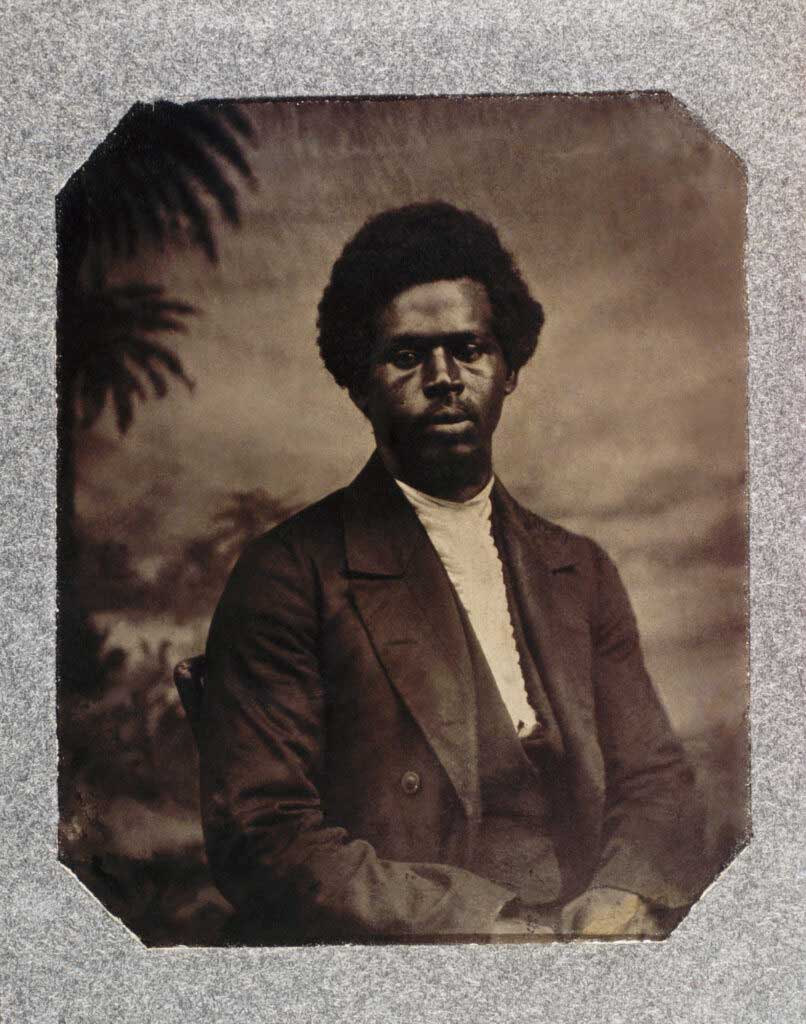
Robert Smalls is remembered as a trailblazer in American history. His bold escape from slavery and service in the Union Navy made him a hero, and his work during Reconstruction solidified his legacy as a fighter for Black American rights. Known for his courage and leadership, Smalls left a lasting impact. His home in Beaufort, South Carolina, is a National Historic Landmark, and his name lives on through schools, streets, and institutions across the country.
His story has inspired generations. His journey from slavery to a respected political leader showed the potential for Black Americans to break barriers and make a difference. Smalls championed public education and civil rights, paving the way for future civil rights movements. He helped secure funding for schools and improved infrastructure in South Carolina, leaving a lasting impact. Today, his legacy continues to inspire those fighting for equality and justice.
Conclusion
Robert Smalls’ journey from slavery to war hero and statesman shows the strength and determination of African Americans during one of the toughest times in U.S. history. His bravery in the Civil War and his political career highlight the vital role African Americans have played in shaping the nation. Smalls’ story is a powerful example of courage, leadership, and the fight for justice and equality. It’s a reminder of the struggles and victories that continue to influence the fight for civil rights today.
Preserving stories like Robert Smalls’ is key to understanding our history and inspiring future generations. These stories teach us about overcoming challenges, getting involved in our communities, and how one person can make a difference. By recognizing people like Smalls, we honor their legacy and make sure their contributions aren’t forgotten. It also helps create a more inclusive and accurate view of history, highlighting the diverse voices that have shaped our nation. His story helps us understand the American experience. His legacy is a symbol of hope and inspiration for anyone working toward a fairer society.
Frequently asked questions about Robert Smalls
- Who was Robert Smalls? Robert Smalls, an American war hero and politician, was born into slavery on April 5, 1839, in Beaufort, South Carolina. He gained prominence for seizing control of a Confederate ship, the CSS Planter, during the Civil War. By navigating it to Union territory, he secured freedom for himself, his crew, and their families.
- What did Robert Smalls do during the Civil War? During the Civil War, on May 13, 1862, Robert Smalls seized control of the CSS Planter in Charleston Harbor. He navigated the vessel past Confederate checkpoints, collected his family and other enslaved individuals, and surrendered the ship to Union forces. Subsequently, he served as a pilot for Union ships and became the first Black American to be a captain in the U.S. Navy.
- What was Robert Smalls’ role in politics? Following the Civil War, Robert Smalls emerged as a significant political figure in the Reconstruction era. He held positions in the South Carolina State Legislature and the U.S. House of Representatives, where he championed civil rights and educational reform. His efforts were crucial in the creation of South Carolina’s inaugural free and mandatory public school system.
- How did Robert Smalls impact civil rights? Robert Smalls significantly contributed to the civil rights movement by leveraging his political influence to champion equality and education. His endeavors during the Civil War, coupled with his subsequent political activities, laid the groundwork for the advancement of rights and opportunities for African Americans in the United States.
- When did Robert Smalls die? Robert Smalls died on February 23, 1915, in Beaufort, South Carolina.
Sources
- “Robert Smalls.” n.d. American Battlefield Trust. https://www.battlefields.org/learn/biographies/robert-smalls.
- Wikipedia contributors. 2024. “History of Slavery in South Carolina.” Wikipedia. November 8, 2024. https://en.wikipedia.org/wiki/History_of_slavery_in_South_Carolina.
- Wikipedia contributors. 2024. “Robert Smalls.” Wikipedia. October 13, 2024. https://en.wikipedia.org/wiki/Robert_Smalls.
- Wikipedia contributors. 2023. “USS Planter (1862).” Wikipedia. July 21, 2023. https://en.wikipedia.org/wiki/USS_Planter_%281862%29.
- Lineberry, Cate. 2023. “The Thrilling Tale of How Robert Smalls Seized a Confederate Ship and Sailed It to Freedom.” Smithsonian Magazine, October 18, 2023. https://www.smithsonianmag.com/history/thrilling-tale-how-robert-smalls-heroically-sailed-stolen-confederate-ship-freedom-180963689/.
- Kuta, Sarah. 2024. “He Escaped Slavery and Became a Civil War Hero. Now, Robert Smalls Is Getting a Statue in South Carolina.” Smithsonian Magazine, October 24, 2024. https://www.smithsonianmag.com/smart-news/he-escaped-slavery-and-became-a-civil-war-hero-now-robert-smalls-is-getting-a-statue-in-south-carolina-180985324/.
- Luebering, J.E. 2024. “Robert Smalls | Biography, Accomplishments, & Facts.” Encyclopedia Britannica. October 23, 2024. https://www.britannica.com/biography/Robert-Smalls.
- Mullen, Jameelah. 2024. “Gullah Geechee Civil War Hero Robert Smalls to Be Honored With Statehouse Statue.” Black Enterprise. October 24, 2024. https://www.blackenterprise.com/robert-smalls-beaufort-south-carolina-civil-war/.
- Billingsley, Andrew. Yearning to Breathe Free: Robert Smalls of South Carolina and His Families. United States: University of South Carolina Press, 2021.
- Lineberry, Cate. Be Free Or Die: The Amazing Story of Robert Smalls’ Escape from Slavery to Union Hero. United States: St. Martin’s Publishing Group, 2017.
- Miller, Edward A. Gullah Statesman: Robert Smalls from Slavery to Congress, 1839-1915. United States: University of South Carolina Press, 2021.
- Collins, Jeffrey. 2024. “South Carolina to Build First Monument to an African American. Meet Robert Smalls | AP News.” AP News. October 23, 2024. https://apnews.com/article/robert-smalls-statue-south-carolina-statehouse-8f7d38ec73e5aeec3acb10644408a269.
- “Robert Smalls (U.S. National Park Service).” February 27, 2024. https://www.nps.gov/people/robert-smalls.htm.
- Fultonk. 2013. “Robert Smalls, From Escaped Slave to House of Representatives | African American History Blog | the African Americans: Many Rivers to Cross.” The African Americans: Many Rivers to Cross. November 6, 2013. https://www.pbs.org/wnet/african-americans-many-rivers-to-cross/history/which-slave-sailed-himself-to-freedom/.
- “Robert Smalls – University History | University of South Carolina.” n.d. https://sc.edu/about/our_history/university_history/presidential_commission/commission_reports/final_report/appendices/appendix-3/smalls-robert/index.php.
- “Smalls, Robert.” n.d. https://www.history.navy.mil/our-collections/photography/us-people/s/smalls-robert.html.
- “Nov. 3, 1874: Robert Smalls Elected.” 2023. Zinn Education Project. November 4, 2023. https://www.zinnedproject.org/news/tdih/robert-smalls-elected/.
- McAllister, Paul. 2024. “The Remarkable Life of Robert Smalls – Picturing Black History.” Picturing Black History. March 15, 2024. https://picturingblackhistory.org/the-remarkable-life-of-robert-smalls/.
- Bell, Karen Cook, and Karen Cook Bell. 2023. “Robert Smalls and Reconstruction Politics.” AAIHS – African American Intellectual History Society. August 22, 2023. https://www.aaihs.org/robert-smalls-and-reconstruction-politics/.
- Brown, Justin, and Justin Brown. 2023. “The Miraculous Escape of Robert Smalls: From Slave to Hero.” History Defined – (blog). October 31, 2023. https://www.historydefined.net/robert-smalls/.
- Baycora, Fidan. 2021. “Sailing to Freedom: The Story of Robert Smalls — Historic America.” Historic America. April 13, 2021. https://www.historicamerica.org/journal/2021/2/16/sailing-to-freedom-the-story-of-robert-smalls.
- Beckett, Jesse. 2022. “Robert Smalls: The Slave Who Stole a Warship, Escaped the Confederates, and Became a U.S. Congressman.” Warhistoryonline. November 23, 2022. https://www.warhistoryonline.com/war-articles/robert-smalls-us-congressman.html.
- “Robert Smalls | PureHistory.” May 14, 2014. https://purehistory.org/robert-smalls/.
- “Antebellum Slavery.” n.d. https://www.pbs.org/wgbh/aia/part4/4p2956.html.
- “Slave Trade – South Carolina Encyclopedia.” 2022. South Carolina Encyclopedia. August 23, 2022. https://www.scencyclopedia.org/sce/entries/slave-trade/.
- Winter, Elizabeth. 2023. “Robert Smalls (1839 -1915) •” March 6, 2023. https://www.blackpast.org/african-american-history/smalls-robert-1839-1915/.
- Wigington, Patti. 2018. “Biography of Robert Smalls, Civil War Hero and Congressman.” ThoughtCo. December 4, 2018. https://www.thoughtco.com/robert-smalls-biography-4178440.
- Beaufort, Explore. 2023. “Beaufort History: The Amazing Story of Beaufort’s Robert Smalls.” Explore Beaufort SC. August 9, 2023. https://explorebeaufortsc.com/the-amazing-story-of-beauforts-robert-smalls/.
- “Biography: Robert Smalls – Politician and Interesting Facts.” n.d. https://www.ducksters.com/biography/robert_smalls_congress_facts.php.
- Find a Grave, database and images (https://www.findagrave.com/memorial/7181274/robert_scott-smalls: accessed December 3, 2024), memorial page for Robert Scott Smalls (5 Apr 1839–22 Feb 1915), Find a Grave Memorial ID 7181274, citing Tabernacle Baptist Church Cemetery, Beaufort, Beaufort County, South Carolina, USA; Maintained by Find a Grave.
© 2026 Chandra Martin. All Rights Reserved.
All original research, writing, analysis, and historical synthesis on this site is the intellectual property of Chandra Martin. This content may not be copied, reproduced, republished, distributed, adapted, or used in any form—digital or print—without prior written permission from the author.
Limited quotation for academic or educational purposes is permitted only if proper credit is given and the use does not alter the meaning, context, or integrity of the work.
To request permission for use in publications, videos, courses, educational materials, or digital media, please
contact:
Contact
Include:
- Your name
- The specific content you wish to use
- How and where it will be used
- Whether the use is commercial or non-commercial
All requests will be reviewed on a case-by-case basis.
 Chandra Martin